Pure Biomaterials delivers pharmaceutical-grade Chitosan HCl and Hydroxyapatite across agricultural, cosmetics and nutraceutical markets — with zero compromise on purity or consistency.
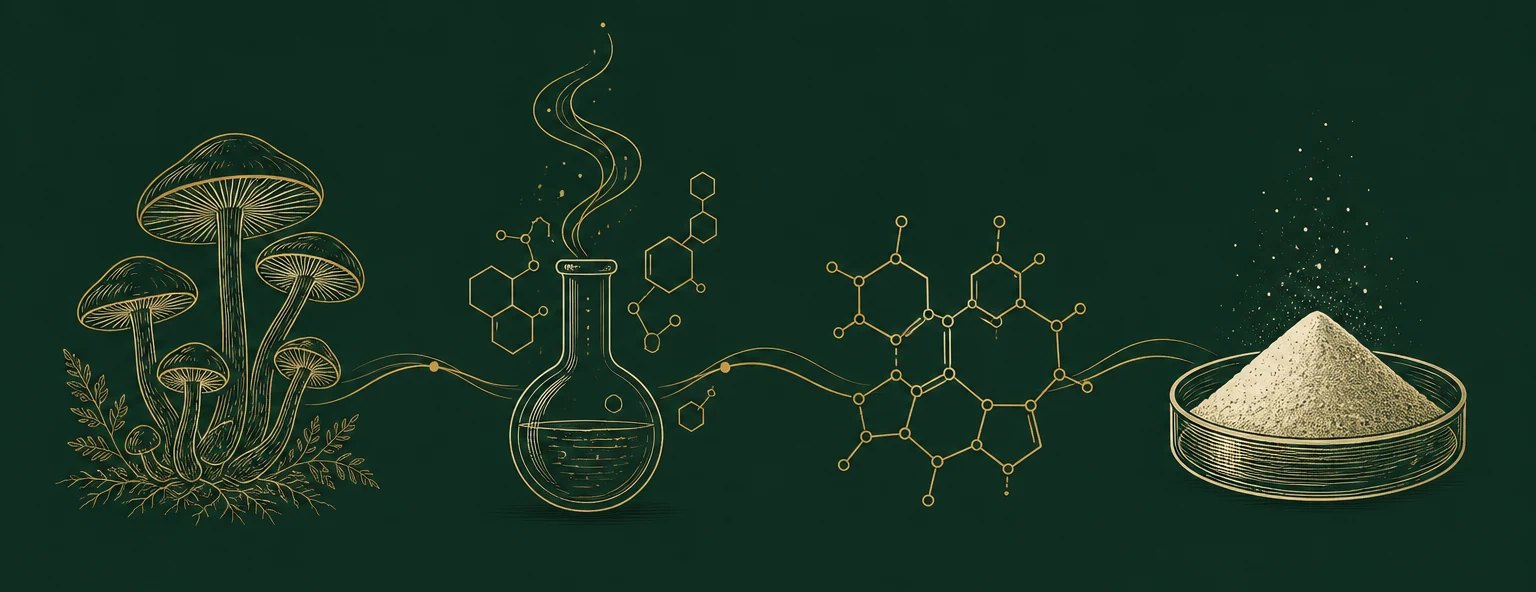
Derived from purified food-grade mushroom material from the human food supply chain — the highest possible raw material safety and traceability standard.
Manufactured under pharmaceutical Good Manufacturing Practice guidelines — full batch traceability, validated processes, and complete analytical documentation for every shipment.
Four distinct MW grades (Ultra-Low to High) matched to specific application windows — seed treatment, foliar spray, fertigation, and soil drench — for maximum biological efficacy.
As the HCl salt form, our chitosan dissolves completely without acid — compatible with all standard agricultural spray equipment, drip systems, and fertiliser programs.
Fungal origin eliminates crustacean allergen declaration requirements and opens vegan and organic certified markets.
We supply raw material to dedicated distributors who handle local formulation, registration, and sales. Full technical documentation, agronomic protocols, and regulatory dossiers provided.
Our flagship products are derived from mushroom material grown for human consumption, undergoing a precise pharmaceutical-grade purification, deacetylation, and HCl salt conversion process at our production facility.
Products based on clean marine raw materials are also available.
Degree of deacetylation for Ultra-Low & Low MW grades
Lead content — well below international safety thresholds
Shelf life in sealed original packaging below 25°C
From ultra-low molecular weight oligomer, to high-MW grades — matched to your needs.
Our fungal Chitosan HCl platform delivers measurable benefits across multiple application types — from agriculture and forestry to cosmetics and nutraceuticals.
Activates plant immunity (ISR/SAR), suppresses key fungal pathogens, promotes root architecture, and enhances nutrient uptake. Applied as foliar spray, seed treatment, or fertigation across 15+ crops.
Biostimulant programmes for eucalyptus, pine, teak, sandalwood, acacia and more. From nursery damping-off suppression to plantation canker management and outplanting survival improvement.
Film-forming, moisturising, anti-microbial, and hair-conditioning active for personal care formulations. Vegan, allergen-free. Suitable for shampoos, conditioners, skin serums, and oral care.
Human Consumption Grade chitosan for cholesterol management, weight support, gut health, and immune modulation. Non-allergenic, vegan, Halal-compatible dietary supplement ingredient.
WHO-GMP grade chitosan for drug delivery matrices, wound care actives, tablet excipients, and tissue engineering scaffolds. Full analytical documentation per ICH guidelines.
We partner with dedicated distributors, formulators, and brands across all segments — agriculture, cosmetics, pharma, and nutraceuticals. We provide the product, complete documentation, and technical support.
We bridge European commercial infrastructure with Indian GMP manufacturing to deliver nature-derived biomaterials that work — at scale, with full documentation.
Pure Biomaterials is a Netherlands-based holding company specializing in the commercial development of high-value functional biomaterials for agricultural, cosmetics and nutraceutical applications. Our Chitosan platform approach delivers Active substances, Ingredients, Additives and Supplements for each market. Our Hydroxyapatite portfolio is used all over the world.
We operate on a distributor-first model: we supply premium raw material with complete WHO-GMP documentation, technical dossiers, and agronomic protocols. Our partners handle in-country registration, formulation, and commercial distribution — ensuring local expertise and compliance.
Our raw material advantage is processed at our GMP-certified Indian production facility.
Contact us at:
Pure Biomaterials
Noordhavenpoort 30
2152 HB NIEUW VENNEP
info@purebiomaterials.com
Founder — University of Oulu, Finland
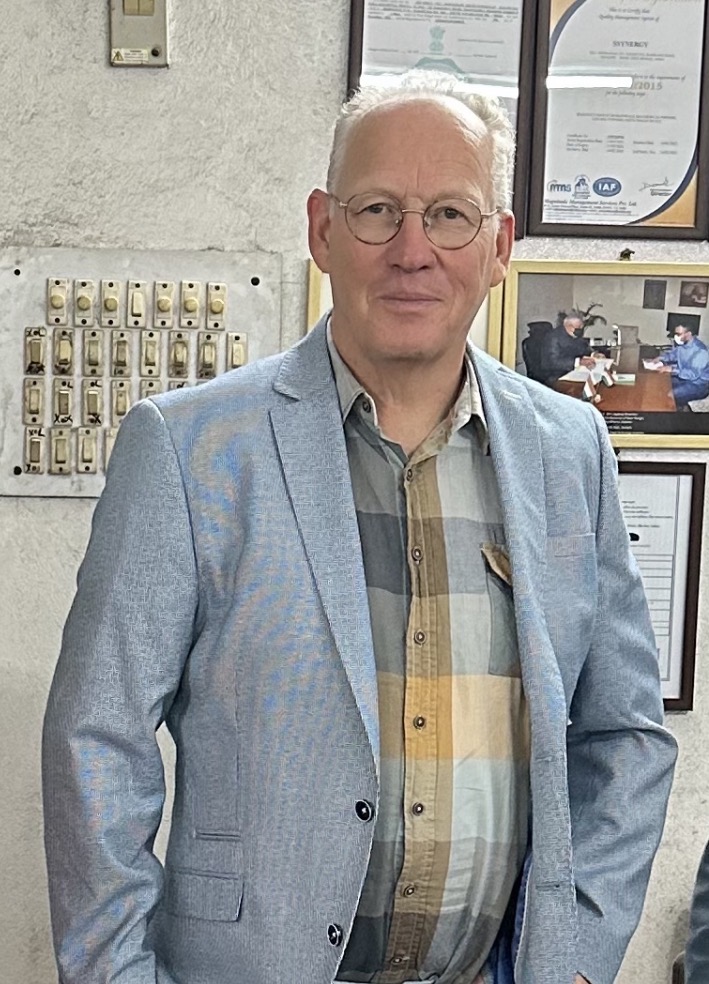
Pure Biomaterials was founded by Mr. Aviroop Mukherjee, holding an MSc from the University of Oulu, Finland. He built the company from zero to nearly €3 million in revenue within three years — establishing WHO-GMP certified production, international distribution partnerships, and a multi-segment commercial platform.
Mr. Mukherjee holds several patents in his name in the field of biotechnology.
Standard conditions for distributor partnerships and direct supply agreements.
WHO-GMP certified. Full technical specifications, molecular weight characterisation, and application available in different qualities.
| CAS Number | 70694-72-3 |
| Origin | Mushroom |
| Molecular Weight | < 10 kDa (oligomeric) |
| Degree of Deacetylation | ≥ 90% |
| Solubility | Fully water-soluble at all pH (no acid required) |
| Appearance | White to off-white free-flowing powder |
| Moisture Content | ≤ 10% |
| Ash Content | ≤ 2% |
| pH (1% solution) | 4.0 – 6.0 |
| Viscosity (1%) | < 10 mPa·s |
| Lead (Pb) | ≤ 1 ppm |
| Arsenic / Cadmium / Mercury | ≤ 0.1 ppm each |
| Total Aerobic Count | ≤ 1,000 CFU/g |
| E. coli / Salmonella | Absent / Absent in 25g |
| Packaging | 5 kg · 10 kg · 25 kg kraft bags |
| Shelf Life | 24 months · below 25°C |
| CAS Number | 70694-72-3 |
| Origin | Mushroom |
| Molecular Weight | 10 – 50 kDa |
| Degree of Deacetylation | ≥ 90% |
| Solubility | Fully water-soluble — no acid required |
| Appearance | White to off-white free-flowing powder |
| Moisture Content | ≤ 10% |
| Ash Content | ≤ 2% |
| pH (1% solution) | 4.0 – 6.0 |
| Viscosity (1%) | 10 – 50 mPa·s |
| Lead (Pb) | ≤ 1 ppm |
| Arsenic / Cadmium / Mercury | ≤ 0.1 ppm each |
| Total Aerobic Count | ≤ 1,000 CFU/g |
| E. coli / Salmonella | Absent / Absent in 25g |
| Packaging | 5 kg · 10 kg · 25 kg kraft bags |
| Shelf Life | 24 months · below 25°C |
| CAS Number | 70694-72-3 |
| Origin | Mushroom |
| Molecular Weight | 50 – 190 kDa |
| Degree of Deacetylation | ≥ 85% |
| Solubility | Fully water-soluble — no acid required |
| Appearance | White to off-white powder |
| Moisture Content | ≤ 10% |
| Ash Content | ≤ 2% |
| pH (1% solution) | 4.5 – 6.5 |
| Viscosity (1%) | 50 – 500 mPa·s |
| Lead (Pb) | ≤ 1 ppm |
| Arsenic / Cadmium / Mercury | ≤ 0.1 ppm each |
| Total Aerobic Count | ≤ 1,000 CFU/g |
| E. coli / Salmonella | Absent / Absent in 25g |
| Packaging | 5 kg · 10 kg · 25 kg kraft bags |
| Shelf Life | 24 months · below 25°C |
| CAS Number | 70694-72-3 |
| Origin | Mushroom |
| Molecular Weight | 190 – 375 kDa |
| Degree of Deacetylation | ≥ 85% |
| Solubility | Fully water-soluble — no acid required |
| Appearance | White to slightly yellowish powder |
| Moisture Content | ≤ 10% |
| Ash Content | ≤ 2% |
| pH (1% solution) | 4.5 – 7.0 |
| Viscosity (1%) | 500 – 2,000 mPa·s |
| Lead (Pb) | ≤ 1 ppm |
| Arsenic / Cadmium / Mercury | ≤ 0.1 ppm each |
| Total Aerobic Count | ≤ 1,000 CFU/g |
| E. coli / Salmonella | Absent / Absent in 25g |
| Packaging | 5 kg · 10 kg · 25 kg kraft bags |
| Shelf Life | 24 months · below 25°C |
| CAS Number | 70694-72-3 |
| Origin | Marine (Shrimp/Crab) |
| Molecular Weight | 10 – 50 kDa |
| Degree of Deacetylation | ≥ 85% |
| Solubility | Soluble in dilute acid (1% acetic acid) |
| Appearance | White to off-white powder |
| Moisture Content | ≤ 12% |
| Ash Content | ≤ 2% |
| pH (1% solution) | 4.0 – 6.0 |
| Viscosity (1%) | 10 – 50 mPa·s |
| Lead (Pb) | ≤ 2 ppm |
| Arsenic (As) | ≤ 1 ppm |
| Total Aerobic Count | ≤ 1,000 CFU/g |
| E. coli / Salmonella | Absent / Absent in 25g |
| Packaging | 5 kg · 10 kg · 25 kg kraft bags |
| Shelf Life | 24 months · below 25°C |
| CAS Number | 70694-72-3 |
| Origin | Marine (Shrimp/Crab) |
| Molecular Weight | 50 – 190 kDa |
| Degree of Deacetylation | ≥ 85% |
| Solubility | Soluble in dilute acid (1% acetic acid) |
| Appearance | White to off-white powder |
| Moisture Content | ≤ 12% |
| Ash Content | ≤ 2% |
| pH (1% solution) | 4.5 – 6.5 |
| Viscosity (1%) | 50 – 500 mPa·s |
| Lead (Pb) | ≤ 2 ppm |
| Arsenic (As) | ≤ 1 ppm |
| Total Aerobic Count | ≤ 1,000 CFU/g |
| E. coli / Salmonella | Absent / Absent in 25g |
| Packaging | 5 kg · 10 kg · 25 kg kraft bags |
| Shelf Life | 24 months · below 25°C |
| CAS Number | 70694-72-3 |
| Origin | Marine (Shrimp/Crab) |
| Molecular Weight | 190 – 375 kDa |
| Degree of Deacetylation | ≥ 85% |
| Solubility | Soluble in dilute acid (1% acetic acid) |
| Appearance | White to off-white powder |
| Moisture Content | ≤ 12% |
| Ash Content | ≤ 2% |
| pH (1% solution) | 4.5 – 7.0 |
| Viscosity (1%) | 500 – 2,000 mPa·s |
| Lead (Pb) | ≤ 2 ppm |
| Arsenic (As) | ≤ 1 ppm |
| Total Aerobic Count | ≤ 1,000 CFU/g |
| E. coli / Salmonella | Absent / Absent in 25g |
| Packaging | 5 kg · 10 kg · 25 kg kraft bags |
| Shelf Life | 24 months · below 25°C |
On demand we produce Chitin, Chitosan, and Hydroxyapatite to your exact specification — across all crystal forms and purity grades. Contact us to discuss your requirements.
Submit your requirements below. All enquiries are handled under NDA and responded to within 5 business days.
Peer-reviewed field data translated into practical applications for each crop — biostimulant effects, disease targets, and application method.
Activating plant immunity, suppressing key fungal pathogens, and enhancing nutrient uptake — with zero compromise on purity or consistency. Leading to significantly higher production figures.
PB-F-UL, PB-F-L, PB-F-M, PB-F-H (Fungal) and marine grades available — matched to your crop and application protocol.
Chitosan HCl is used as a biostimulant, seed treatment, foliar spray, and post-harvest treatment across a wide range of agricultural crops.
Oryza sativa
Glycine max
Zea mays
Saccharum officinarum
Triticum aestivum
Solanum lycopersicum
Persea americana
Citrus spp.
Coffea arabica / robusta
Gossypium hirsutum
Solanum tuberosum
Manihot esculenta
Vitis vinifera
Fragaria × ananassa
Phoenix dactylifera
WHO-GMP certified biostimulants for commercial nurseries, plantation operators, and reforestation programmes. Food-grade mushroom origin — FSC-compatible, vegan, allergen-free.
Proven biostimulant and crop protection applications for high-value forestry species worldwide.
PB-F-L and PB-F-M grades recommended for plantation programmes. PB-F-UL for nursery and high-value species root treatments.
From nursery damping-off suppression to plantation canker management — biostimulant programmes for eucalyptus, pine, teak, sandalwood, acacia and more.
Damping-off suppression (Pythium, Fusarium, Rhizoctonia), seed priming, vigour enhancement — published nursery trials report 40–70% reduction in damping-off incidence.
Cryphonectria canker, myrtle rust (Austropuccinia psidii), Dothistroma red band — ISR biostimulant programmes for mature plantation trees.
Specialised protocols for teak nematode suppression, sandalwood host-plant programmes, and high-value species with organic certification.
Root-dip protocols at transplanting, planting hole treatments — plantation outplanting studies report 12–22% improvement in 90-day survival rates vs. untreated controls.
Rhizome treatment, culm blight, wattle rust (South Africa), nematode management — for fast-growing industrial species.
Street tree transplant programmes, post-harvest blue-stain prevention on pine/eucalyptus logs, and municipal greening protocols.
The multi-year crop cycle, high individual tree value, and limited fungicide options in certified forestry make chitosan's biological activity uniquely valuable.
Activates the phenylpropanoid pathway in woody perennials, producing lignin precursors, phytoalexins, and PR-proteins. Primes ISR against canker-forming fungi, root pathogens, and foliar diseases before attack.
Published trials report 20–40% improvement in root-to-shoot ratio in eucalyptus and pine seedlings (Pichyangkura & Chadchawan, 2015; Sharif et al., 2018). Lateral root density and root hair development directly improve post-transplant survival rates in reforestation programmes.
Disrupts cell membranes of Pythium, Fusarium, and Rhizoctonia. Stimulates seedling's own defence system. Published nursery trials report 40–70% reduction in damping-off incidence across multiple tree species (Benhamou et al., 1994; Ghaouth et al., 1992; El Hadrami et al., 2010).
Applied 1–2 weeks before lifting, activates osmotic adjustment (proline accumulation, ABA signalling). Reduces transplant shock and improves first-season survival — critical in tropical reforestation.
Medium and High MW grades enhance ectomycorrhizal colonisation in pine and AMF infection rates in eucalyptus and teak. Particularly important when mycorrhizal inoculants are used in nursery programmes.
Multiple plantation-scale biostimulant trial programmes report 8–18% increases in mean annual increment (MAI) in eucalyptus and poplar systems. Enhanced nitrogen use efficiency and phosphorus uptake are the primary mechanisms — especially relevant on nutrient-poor degraded reforestation soils.
Chitosan HCl addresses specific challenges at each stage — from the nursery bed to the rotation-end harvest.
Seed germination, container seedling growing, plug production. Key challenge: damping-off, germination %, root mass.
Seedling lifting, storage, transport, and field planting. Key challenge: transplant shock, first-season survival, drought stress.
Established trees from 6 months to rotation end. Key challenge: foliar disease, canker, growth rate (MAI), NUE.
Trees integrated with agriculture — shade trees, windbreaks, timber+crop. Key challenge: dual system protection, nematodes, soil health.
Sandalwood, agarwood, rosewood, specialty timber. Key challenge: pathogen exclusivity, premium certification, organic programmes.
Street trees, parks, amenity planting, and post-harvest timber/log protection against blue-stain fungi.
Select a species group to view biostimulant benefits, disease targets, and application methods.
The largest commercial forestry segment in Brazil and South Africa. Key challenges are myrtle rust (Austropuccinia psidii — a major new biosecurity threat), Cryphonectria canker, Cylindrocladium stem canker, and Phytophthora root rot. Chitosan ISR programmes directly address all four. Multiple Brazilian plantation trials report MAI improvements in the 8–15% range vs. untreated controls.
| Stage | Product | Method | Target |
|---|---|---|---|
| Year 1 — Post-planting (month 1) | PB-F-L | Foliar spray | ISR priming, Cylindrocladium, transplant stress |
| Year 1 — Month 3 | PB-F-M | Foliar spray | Myrtle rust (Austropuccinia psidii) ISR |
| Year 1 — Month 5–6 | PB-F-M | Foliar spray | Cryphonectria canker ISR, growth acceleration |
| Year 2 — Dry season pre-spray | PB-F-M | Foliar spray | Drought stress tolerance, bark integrity |
| Year 2 — Wet season | PB-F-M | Foliar spray | Ceratocystis prevention, foliar health |
| Year 3+ — Maintenance | PB-F-M | 2× foliar/year | Sustained canker ISR, MAI improvement |
| Post-thinning wounds | PB-F-M | Wound spray/paint | Canker entry at pruning cuts |
| Soil / Drip (all years) | PB-F-H | Drip/furrow | Phytophthora root rot, nematodes, water retention |
Commercial pine plantations in South Africa, Brazil, and Mexico face Dothistroma red band needle blight as their primary foliar threat. Phytophthora cinnamomi causes severe root rot. Chitosan ISR provides season-long protection without chemical residue concerns in FSC-certified plantations.
| Stage | Product | Method | Target |
|---|---|---|---|
| Nursery — seed germination | PB-F-UL | Seed soak 6h | Germination %, damping-off (Pythium, Fusarium) |
| Nursery — seedling (monthly) | PB-F-L | Foliar spray | Dothistroma prevention, root growth |
| Year 1 plantation (2× year) | PB-F-L | Foliar spray | Red band needle blight ISR, establishment stress |
| Year 2–3 (2× year) | PB-F-M | Foliar spray | Dothistroma septosporum, Phytophthora cinnamomi |
| Year 4+ — maintenance | PB-F-M | Annual foliar | Sustained ISR, MAI support, drought tolerance |
| Soil — all years | PB-F-H | Drip | P. cinnamomi root rot, nematode suppression |
Teak has notoriously poor root regeneration after transplanting — making the root-dip protocol critical. Root-knot nematode (Meloidogyne javanica) is a major problem in tropical teak plantation soils. Phellinus noxius root rot can devastate established plantations. Chitosan programmes address all three pressure points.
| Stage | Product | Method | Target |
|---|---|---|---|
| Nursery — seed soak | PB-F-UL | Soak 8–12h | Germination (15–25% improvement reported) |
| Nursery foliar (monthly) | PB-F-L | Foliar spray | Nursery root rot, leaf spot, seedling vigour |
| Root dip at transplanting | PB-F-L | 30-min root dip | Transplant survival — critical in teak |
| Year 1 (3× foliar) | PB-F-M | Foliar spray | Phellinus noxius ISR, Fusarium wilt |
| Year 2–5 (2× year) | PB-F-M | Foliar spray | Canker, IPM support vs. teak leaf skeleton |
| Soil application | PB-F-H | Drip/furrow | Root-knot nematode suppression — major teak problem |
The highest-value forestry segment — justifying premium input programmes. Sandalwood is highly susceptible to damping-off at cotyledon stage, and to Phytophthora cinnamomi throughout its life. The host-plant programme is unique: chitosan must be applied to both the sandalwood and its host plant to maintain haustorial connection. Fungal origin and vegan status are essential for certified organic sandalwood programmes.
| Stage | Product | Rate | Method | Target & Notes |
|---|---|---|---|---|
| Seed / grafted cutting soak | PB-F-UL | 6–12h soak | Germination (notoriously slow — 10–18% improvement reported) | |
| Nursery substrate drench | PB-F-UL | Substrate drench | Damping-off at cotyledon stage — highly susceptible | |
| Nursery foliar — monthly | PB-F-L | Foliar spray | Phytophthora root rot prevention | |
| Host plant programme | PB-F-L | Foliar on both sandalwood + host | Maintains host plant health — critical for haustorial connection | |
| Field establishment (yr 1–2) | PB-F-M | Foliar spray 3× year | ISR, drought tolerance (semi-xerophytic species) | |
| Established plantation (yr 3+) | PB-F-M | 2× foliar per year | Heartwood yield support, disease prevention | |
| Wound treatment | PB-F-M | Wound paint | Canker exclusion; heartwood formation stimulation | |
| Soil (all stages) | PB-F-H | Drip or furrow | Phytophthora cinnamomi exclusion, nematode suppression |
Wattle (Acacia mearnsii) is the cornerstone of South Africa's tannin bark industry, and wattle rust (Uromycladium tepperianum) is the primary disease threat. Chitosan ISR provides effective resistance priming without chemical residue in the bark product. In Brazil and India, A. mangium and other acacias are used in agroforestry and restoration — where Phytophthora and Fusarium wilt are primary concerns.
| Stage | Product | Method | Target | |
|---|---|---|---|---|
| Seed priming | PB-F-UL | Overnight soak | Germination in scarified seed, root vigour | |
| Nursery foliar | PB-F-L | Foliar spray | Phytophthora, Cylindrocladium, Fusarium wilt | |
| Planting (soil) | PB-F-M | 2–3 g per hole | Soil incorporation | Root zone pathogen suppression, nodulation enhancement |
| Year 1–2 foliar | PB-F-M | 2× foliar sprays | Wattle rust (Uromycladium tepperianum in SA) | |
| Soil — bark production | PB-F-H | Drip/furrow | Root health, nematode suppression, tannin yield support |
Bamboo is India's fastest-growing forestry investment sector, with Northeast India and Madhya Pradesh leading commercial planting. Key disease challenges are culm blight (Fusarium), crown rot during propagation, and shoot rot in wet-season nurseries. High MW grades also address soil nematodes around rhizomes in tropical soils.
| Stage | Product | Method | Target |
|---|---|---|---|
| Rhizome/cutting treatment | PB-F-L | Soak 30 min | Sprouting vigour, crown rot prevention, early root development |
| Establishment year foliar | PB-F-M | Monthly foliar | Culm blight (Fusarium spp.) |
| Annual programme | PB-F-M | 2–3× per year | ISR, new shoot protection, drought stress tolerance |
| Soil drench | PB-F-H | Drip/flood | Nematode suppression, rhizome health |
Damping-off is the single largest cause of seedling loss in commercial tree nurseries globally. Ultra-Low and Low MW chitosan applied as a substrate drench disrupts Pythium, Fusarium, and Rhizoctonia cell membranes while stimulating the seedling's own defences. Published nursery trials report 40–70% reduction in damping-off incidence (Benhamou et al., 1994; El Hadrami et al., 2010). Compatible with all standard growing media — peat, coir, bark, and mineral substrates.
| Timing / Stage | Product | Rate | Method | Benefit |
|---|---|---|---|---|
| Seed priming (pre-sowing) | PB-F-UL | Overnight soak or 1–3 g/kg dry coat | Germination %, synchrony, radicle vigour, seedborne pathogen suppression | |
| Substrate preparation | PB-F-H | Mix into growing medium | Moisture retention, nematode suppression, early root zone protection | |
| Cotyledon / first leaf stage | PB-F-UL | Substrate drench | Damping-off suppression (Pythium, Fusarium, Rhizoctonia) | |
| 1st true leaf — early growth | PB-F-L | Foliar spray | ISR priming, Cylindrocladium prevention, root promotion | |
| Monthly nursery programme | PB-F-L | Foliar spray every 3 weeks | Sustained disease protection, vigour enhancement | |
| Pre-potting / container fill | PB-F-M | Drip into containers | Root branching, P uptake, mycorrhizal support | |
| Pre-dispatch hardening | PB-F-L | Final foliar spray 7 days before lift | Transplant stress priming, cuticle thickening |
Urban tree programmes face transplant shock in compacted soils, pollution stress, and disease pressure in confined environments. India's Smart Cities Mission and South Africa's municipal greening programmes are creating large procurement opportunities. Post-harvest timber protection targets blue-stain fungi on freshly sawn pine and eucalyptus boards in the log yard — a commercially significant alternative to borate dips.
| Application | Product | Rate | Method | Benefit |
|---|---|---|---|---|
| Pre-transplant nursery treatment | PB-F-L | Root dip / drench | Maximises root ball integrity for urban planting | |
| Planting hole soil treatment | PB-F-M | 3–5 g per hole | Soil incorporation | Root establishment in compacted/degraded urban soil |
| Post-planting drench (year 1) | PB-F-M | Monthly soil drench | Establishment support, pollution stress tolerance | |
| Foliar programme (ornamental) | PB-F-L | Foliar spray | Anthracnose, powdery mildew, aphid/thrip ISR | |
| Mature tree rejuvenation | PB-F-M | Soil drench + foliar | Revitalisation of declining trees; canopy regrowth | |
| Log end-sealing (timber) | PB-F-H | End-dip or spray | Sap-stain fungi (Ophiostoma) on cut ends | |
| Freshly sawn board dip (timber) | PB-F-H | 10-minute board dip | Blue-stain prevention on pine/eucalyptus boards in log yard |
Our Chitosan HCl biostimulant programmes extend across all commercially important plantation and high-value tree species.
All seven Chitosan HCl grades are available for forestry applications. Full technical dossiers, nursery trial protocols, and regulatory guidance provided to partners.
Every batch tested, documented, and certified. WHO-GMP discipline applied to raw material production through to our end products.
Manufacturing facility certified under World Health Organization Good Manufacturing Practice guidelines. Annual renewal. Copy provided on request.
Full analytical profile per batch: MW, DD, moisture, ash, pH, viscosity, heavy metals, microbiology. Issued per batch number.
Total aerobic count, yeast & mould, E. coli (absent/1g), Salmonella (absent/25g) per USP <61> / <62>.
Pb, As, Cd, Hg by ICP-MS per ICH Q3D. Lead ≤ 1 ppm, As/Cd/Hg ≤ 0.1 ppm each for fungal grades.
NPPO India PPQ-III format. Issued per shipment. Required for import into all five target markets.
Chamber of Commerce India, confirming Indian production. Required for import duty assessment and country of origin labelling.
Typical analytical results for food-grade mushroom-derived grades
| Parameter | Specification | Typical |
|---|---|---|
| Appearance | White/off-white powder | Complies |
| Molecular Weight | Grade-specific | Within spec |
| Degree of Deacetylation | ≥ 85–90% | 88–95% |
| Moisture Content | ≤ 10% | 6–9% |
| Ash Content | ≤ 2% | 0.5–1.5% |
| pH (1% solution) | 4.0–7.0 | Within spec |
| Viscosity (1%) | Grade-specific | Within spec |
| Lead (Pb) | ≤ 1 ppm | < 0.3 ppm |
| Arsenic (As) | ≤ 0.1 ppm | < 0.05 ppm |
| Cadmium (Cd) | ≤ 0.1 ppm | < 0.02 ppm |
| Mercury (Hg) | ≤ 0.1 ppm | < 0.01 ppm |
| Total Aerobic Count | ≤ 1,000 CFU/g | < 500 CFU/g |
| Yeast & Mould | ≤ 100 CFU/g | < 50 CFU/g |
| E. coli | Absent/1g | Absent |
| Salmonella spp. | Absent/25g | Absent |
We are seeking dedicated partners across all our market segments — agriculture, forestry, cosmetics, pharmaceuticals, and nutraceuticals. Apply to become our exclusive partner in your region.
Pure Biomaterials supplies premium raw material to dedicated partners across all segments — agricultural distributors, cosmetics formulators, pharmaceutical companies, and nutraceutical brands. We provide full technical support so you can launch with confidence.
Complete the form below and our commercial team will contact you within 5 business days.
✅ Thank you for your application. We will review your details and contact you within 5 business days.
High-purity fungal chitosan as a multifunctional active ingredient for hair care, skin care, and personal care formulations. Vegan, allergen-free, food-supply-chain origin.
Chitosan is a naturally derived biopolymer with a unique combination of film-forming, moisturising, anti-microbial, and conditioning properties that make it valuable across a wide range of personal care applications.
Chitosan deposits a fine, flexible film on damaged hair cuticles, improving combability, reducing static, and restoring shine. Used in shampoos, conditioners, leave-in treatments, and hair masks. Positively charged at acidic pH — excellent substantivity to negatively charged hair surfaces.
Low molecular weight chitosan acts as a humectant, helping to bind and retain water in the stratum corneum. Forms a breathable, protective film that reduces transepidermal water loss (TEWL) without occluding the skin. Suitable for face creams, serums, and body lotions.
Chitosan exhibits broad-spectrum anti-microbial activity against bacteria and fungi — particularly effective against Staphylococcus aureus and Candida albicans. Used as a preservative booster in formulations, reducing the need for synthetic preservatives. Also effective in anti-dandruff shampoos targeting Malassezia.
Chitosan forms flexible, water-resistant films on skin and hair. Used as a natural fixative in styling gels and hairsprays, providing hold without stiffness. Also used in nail care for strengthening and protective topcoats, and in wound-covering formulations for its bioadhesive properties.
Chitosan promotes wound healing and skin regeneration — relevant for anti-ageing formulations and dermal repair products. Studies show enhanced fibroblast activity and collagen synthesis. Ultra-low MW chitosan oligosaccharides show particular promise for penetration and bioactivity in premium serum formulations.
Our fungal chitosan is 100% vegan — derived from mushroom material rather than crustacean shells. No allergen labelling required. Suitable for vegan-certified, organic-positioned, and clean beauty formulations where crustacean-derived chitosan cannot be used.
Anti-dandruff activity, hair strengthening, detangling, shine enhancement. Low & medium MW grades at 0.1–0.5% active.
Anti-microbial scalp treatments, soothing serums for sensitive or irritated scalp conditions. Supports a balanced scalp microbiome.
Moisturisers, serums, toners, and body lotions. Film-forming and humectant properties improve skin hydration and texture.
Nail strengthening treatments and protective topcoats. Film-forming properties provide flexible, durable nail protection.
Toothpaste and mouthwash formulations. Anti-microbial properties target oral pathogens; hydroxyapatite remineralises enamel.
Soothing, film-forming properties in after-sun lotions. Chitosan's wound-healing activity supports skin recovery after UV exposure.
WHO-GMP certified pharmaceutical-grade chitosan as an excipient, drug delivery matrix, and wound care active. Fungal origin — no allergen concerns, fully traceable.
Chitosan's unique combination of biocompatibility, biodegradability, mucoadhesion, and controlled-release properties make it one of the most studied natural polymers in pharmaceutical science.
Chitosan microspheres, nanoparticles, and hydrogels are extensively studied as drug delivery vehicles. The mucoadhesive character enhances absorption across mucosal surfaces. pH-responsive swelling properties enable colon-specific and gastric drug release. Used in oral, nasal, ocular, and transdermal delivery systems.
Chitosan accelerates wound healing through stimulation of fibroblasts and macrophages, promotes angiogenesis, and reduces inflammation. Its positive charge at wound pH activates platelets and promotes clotting — making chitosan a key ingredient in haemostatic dressings, wound gels, and surgical haemostats.
Chitosan functions as a binder, disintegrant, and controlled-release matrix in solid oral dosage forms. Its swelling properties in aqueous media aid tablet disintegration; at higher concentrations it forms hydrophilic matrix tablets for sustained release. Compatible with most APIs and widely studied in direct compression formulations.
Chitosan's positive charge at physiological pH enables strong adhesion to negatively charged mucosal surfaces in the nasal cavity, GI tract, and eye. This prolongs drug residence time and improves bioavailability — especially valuable for peptide drugs, proteins, and vaccines delivered via non-invasive mucosal routes.
Chitosan forms stable polyplexes with negatively charged DNA, RNA, and oligonucleotides — enabling non-viral gene transfection. Chitosan nanoparticles are extensively studied as mucosal vaccine adjuvants, particularly for nasal and oral vaccine delivery, improving antigen uptake by dendritic cells at mucosal surfaces.
Chitosan scaffolds support cell attachment, proliferation, and differentiation — used in bone, cartilage, skin, and nerve tissue engineering. Combined with hydroxyapatite, chitosan-HAp composites closely mimic the organic-inorganic structure of natural bone, making them ideal for bone defect repair and dental applications.
All pharmaceutical grades are manufactured under WHO-GMP with full analytical documentation: CoA, heavy metals, microbiology, and residual solvent testing per ICH guidelines.
Food-grade and human consumption grade chitosan as a dietary supplement active — cholesterol management, weight management, immune modulation, and gut health. Vegan, allergen-free, Halal-compatible.
Chitosan has been the subject of numerous clinical studies examining its role in metabolic health, weight management, and immune function. Our Human Consumption Grade meets the purity requirements for use as a dietary supplement active.
Chitosan's cationic character enables it to bind bile acids and dietary fats in the intestine, reducing fat absorption. Multiple clinical studies report reductions in total and LDL cholesterol with regular supplementation. The EFSA has evaluated chitosan for a health claim related to maintenance of normal blood LDL cholesterol concentration.
By binding dietary fats and reducing their absorption in the small intestine, chitosan may support calorie reduction as part of a weight management programme. It acts as a dietary fat binder, forming a gel-like complex with ingested fats that is excreted rather than absorbed. Evaluated in several randomised controlled trials.
Chitosan and chitosan oligosaccharides (COS) demonstrate immunomodulatory activity — stimulating macrophage activation, natural killer cell function, and cytokine production. Research suggests COS may enhance innate immune responses, making them of interest in immune-support supplements and functional foods.
Chitosan oligosaccharides function as prebiotics — selectively promoting the growth of beneficial bacteria including Lactobacillus and Bifidobacterium while inhibiting pathogens. Short-chain fatty acids produced during fermentation of COS contribute to colonic health and the gut-immune axis. Of interest in functional foods and probiotic-adjunct supplements.
COS have been studied for their ability to inhibit α-glucosidase and α-amylase — key enzymes in carbohydrate digestion — potentially slowing post-prandial glucose rises. Animal and in vitro studies report improved insulin sensitivity and reduced fasting blood glucose. Of growing interest in functional food and supplement formulations targeting metabolic health.
Chitosan oligosaccharides exhibit free radical scavenging activity — neutralising reactive oxygen species (ROS) and reducing oxidative stress. This antioxidant effect is of interest for anti-ageing, sports recovery, and general wellness supplement applications. Higher degree of deacetylation correlates with stronger antioxidant activity.
Our fungal origin chitosan carries no crustacean allergen declaration requirement — enabling use in vegan and allergen-free supplement formulations where marine chitosan cannot be used.
Research into chitosan and chitin applications is one of the most active areas of biomaterials science. Pure Biomaterials engages with the global scientific community to translate research advances into commercial reality.
Over 30,000 scientific publications reference chitosan applications. Below are the key research themes driving commercial development of chitosan and fungal-derived biopolymers.
Chitosan nanoparticles (50–300 nm) are the subject of intensive research for drug, gene, vaccine, and agrochemical delivery. Self-assembling chitosan-tripolyphosphate nanoparticles are the most studied system. Research focuses on controlled release kinetics, surface functionalisation, and scale-up manufacturing.
Chemical modification of chitosan — carboxymethylation, quaternisation, PEGylation, thiolation — expands its functional properties. Quaternary ammonium chitosan is permanently cationic at all pH levels. Thiolated chitosan (thiomers) have exceptional mucoadhesion. These derivatives are active research targets for pharmaceutical and advanced material applications.
Peer-reviewed research continues to elucidate chitosan's mechanisms in plants — PRR receptor binding, DAMP signalling, salicylic acid and jasmonic acid pathway activation, and epigenetic priming. Understanding the relationship between molecular weight, degree of deacetylation, and bioactivity is a key research frontier driving precision agriculture applications.
Chitosan films and composites are among the most researched bioplastic materials — with excellent oxygen barrier properties, anti-microbial activity, and full biodegradability. Research focuses on improving mechanical strength, water resistance, and processability for food packaging, agricultural mulch films, and active packaging with controlled release of antimicrobials or antioxidants.
Chitosan is a highly effective natural flocculant and heavy metal chelator. Research explores chitosan-based adsorbents for removal of heavy metals (Pb, Cu, Cd, Cr), dyes, pharmaceuticals, and microplastics from wastewater. Chitosan beads and composites with graphene oxide, zeolites, or magnetic nanoparticles are an active research area for sustainable water purification.
Chitosan hydrogels and chitosan-HAp bioinks are under active investigation for 3D bioprinting of bone, cartilage, and skin constructs. Research focuses on printability, cell viability, and mechanical properties matching native tissue. Chitosan's inherent biocompatibility and degradation profile make it an attractive scaffold material for regenerative medicine applications.
Unlike marine chitosan — which depends on crustacean fishery by-products with variable supply chains and seasonal availability — fungal chitosan is derived from controlled mycelial fermentation or food-industry mushroom residues. This confers fundamental sustainability advantages:
Pure Biomaterials supports academic and industrial R&D through the supply of custom-specification chitosan and hydroxyapatite grades for research programmes.
Netherlands-registered holding company. WHO-GMP certified. Scale up in multiple worldwide markets.
A differentiated position in the global chitosan market — driven by raw material origin, manufacturing standard, and commercial infrastructure.
Chitosan HCl derived from mushroom from the human food supply chain.
WHO-GMP certified Indian facility — fully operational and ready to scale without additional capital expenditure. Large installed capacity available to meet growing distributor demand.
Platform approach: Agriculture, forestry, cosmetics, nutraceuticals, and medical applications — each addressable with core production infrastructure.
Global chitosan market growing at 12–20% CAGR. Biostimulant market growing at 11–20% CAGR across target geographies. Pure Biomaterials is positioned at the intersection of both growth curves with a defensible raw material differentiation.
Netherlands-registered holding company. GMP-certified Indian production. Clear equity structure.
Pure Biomaterials does not build its own sales force in target markets. Exclusive distributor partners handle in-country registration, formulation, and commercial distribution — creating a scalable, low-overhead international commercial infrastructure.
Our investor dataroom is available to qualified investors upon NDA. Reach out via the contact form to begin a conversation.
All materials shared under Non-Disclosure Agreement. We respond to qualified investor enquiries within 5 business days.